 delishing
How to Bake Flounder in the Oven: A Culinary Guide

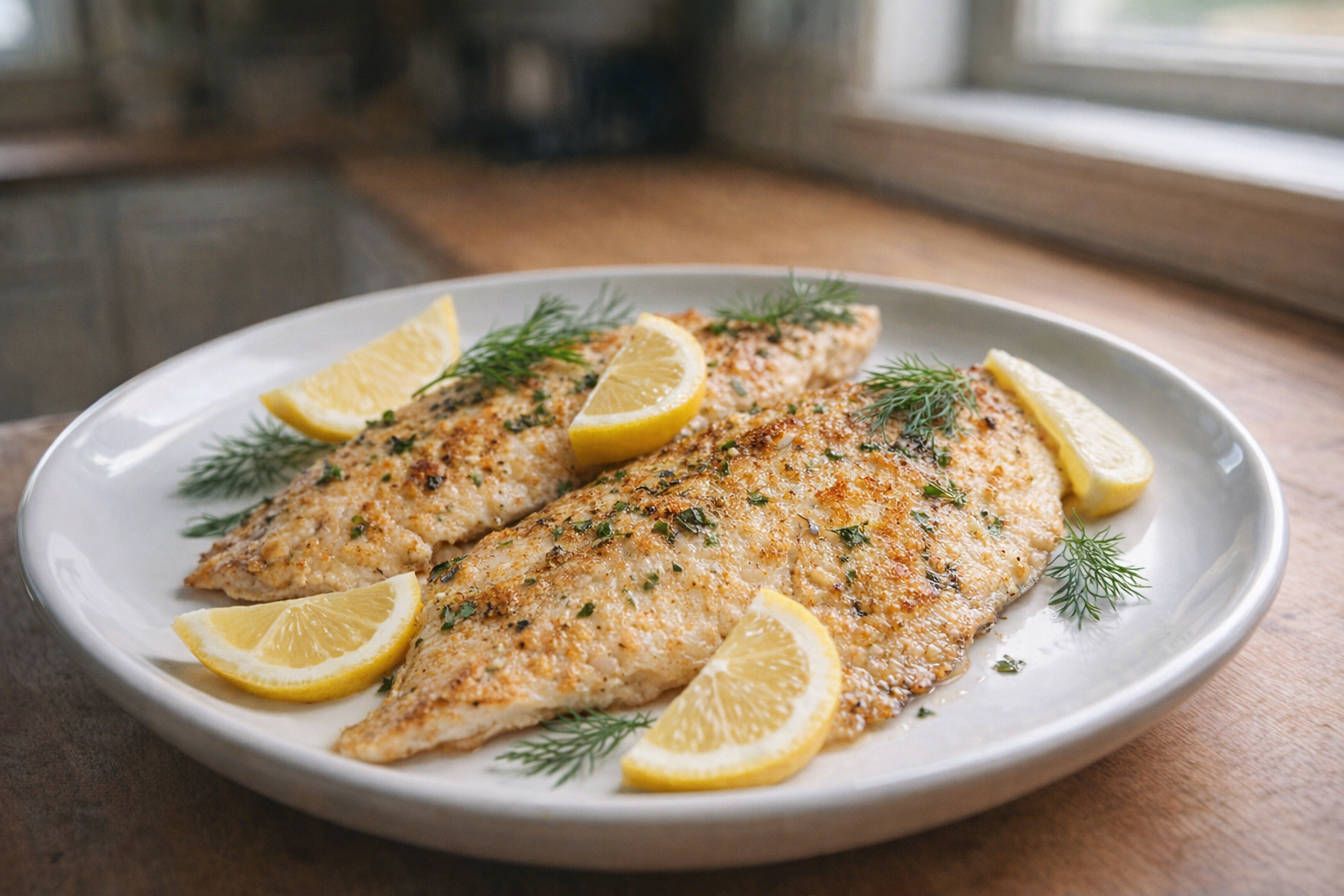
Flounder, with its delicate, slightly sweet flavor, is a blank canvas for culinary creativity. Baking this lean fish is an ideal method for preserving its flaky texture and subtly enhancing its natural taste, avoiding the pitfalls of frying, which can mask its inherent qualities. A simple seasoning of herbs, lemon, and a touch of fat transforms the humble flounder into an elegant and healthy meal.
This guide provides a comprehensive approach to baking flounder, ensuring that even novice cooks can achieve restaurant-quality results. We'll delve into the crucial aspects of preparation, temperature control, and ingredient selection, empowering you to confidently create a dish that is both delicious and visually appealing.
Understanding Flounder: A Delicate Delicacy
When selecting flounder, prioritize freshness. The fillets should appear translucent and firm, with a clean, mild aroma indicative of quality. Avoid any fish exhibiting a strong "fishy" odor or a slimy texture, as these are signs of degradation. Look for fillets that are uniform in thickness for even cooking.
Several varieties of flounder exist, each with slight variations in flavor and texture. Summer flounder (also known as fluke) is a popular choice, prized for its delicate flavor and fine texture. Winter flounder tends to be slightly firmer. Regardless of the variety, ensure you are purchasing from a reputable source committed to sustainable fishing practices. Pre-cut fillets are convenient, but buying whole flounder and filleting it yourself guarantees maximum freshness and allows you to control the size and thickness of the portions.
Why Cook Flounder This Way?
- Versatility: Baked flounder pairs exceptionally well with a wide range of side dishes, from simple steamed vegetables to more elaborate rice pilafs.
- Flavor: Baking enhances the natural sweetness of flounder, allowing delicate seasonings to shine.
- Convenience: This method requires minimal active cooking time, making it an excellent choice for weeknight meals.
Preparation (Mise en Place)
- Thawing: If using frozen flounder fillets, thaw them completely in the refrigerator overnight. Never thaw fish at room temperature, as this can promote bacterial growth.
- Rinsing and Drying: Gently rinse the thawed fillets under cold running water. Pat them thoroughly dry with paper towels to remove excess moisture. This step is crucial for achieving a slightly crispy surface during baking.
- Checking for Bones: Run your fingers along the surface of each fillet to check for any remaining pin bones. Use tweezers to carefully remove them.
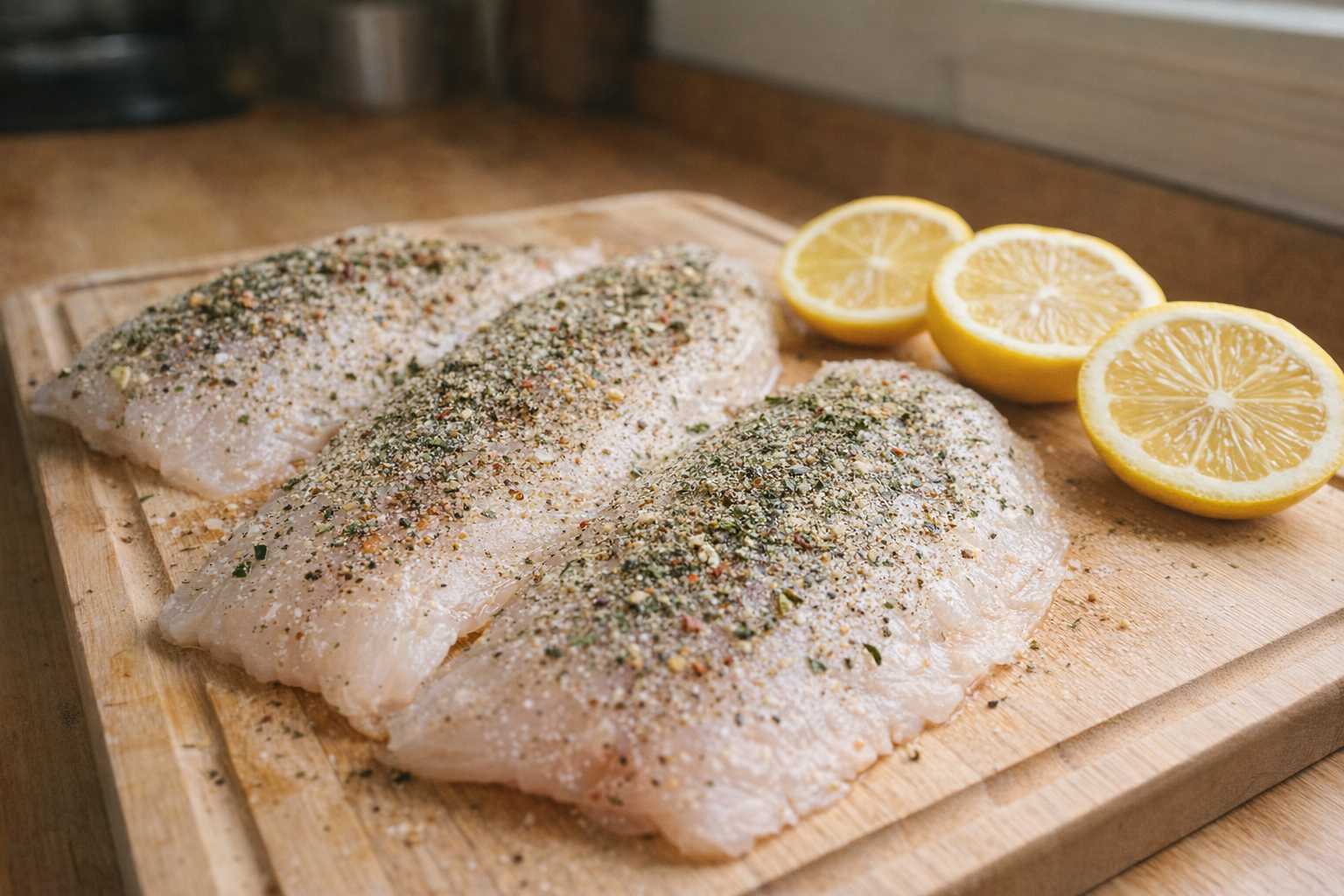
- Seasoning: In a small bowl, combine salt, pepper, garlic powder (optional), and any desired herbs, such as dried dill or parsley. Evenly sprinkle this mixture over both sides of the flounder fillets.
- Lemon Preparation: Slice a lemon into thin rounds. Some of these will be used to line the baking dish, while others will be placed on top of the fillets for added flavor and moisture.
Essential Tools
- Baking Dish: A shallow baking dish, approximately 9x13 inches, is ideal for baking flounder. A glass or ceramic dish will provide even heat distribution.
- Parchment Paper (Optional): Lining the baking dish with parchment paper prevents sticking and simplifies cleanup.
- Basting Brush: A silicone basting brush is perfect for evenly coating the fillets with olive oil or melted butter.
- Tweezers: For removing any remaining pin bones.
The Cooking Method(s)
Method 1: Classic Baked Flounder
This method focuses on simplicity and allows the natural flavor of the flounder to shine through.
Ingredients:
- Flounder fillets: 4 (approximately 4-6 oz each)
- Olive oil: 2 tablespoons (30 ml)
- Lemon: 1, thinly sliced
- Garlic: 2 cloves, minced
- Dried dill: 1 teaspoon (5 ml)
- Salt: 1/2 teaspoon (2.5 ml)
- Black pepper: 1/4 teaspoon (1.25 ml)
Instructions:
- Preheat: Preheat your oven to 375°F (190°C). The consistent heat ensures even cooking.
- Prepare the Dish: Lightly grease the baking dish with olive oil or line it with parchment paper. Arrange a layer of lemon slices on the bottom of the dish. The lemon will prevent sticking and infuse the fillets with citrusy flavor.
- Season the Fillets: In a small bowl, combine the minced garlic, dried dill, salt, and pepper. Rub this mixture evenly over both sides of the flounder fillets, pressing gently to ensure the seasonings adhere. The aroma of the dill and garlic should be noticeable.
- Arrange and Top: Place the seasoned flounder fillets on top of the lemon slices in the baking dish. Drizzle the remaining olive oil evenly over the fillets. Top each fillet with a few additional lemon slices. The lemon will steam the fish as it bakes, keeping it moist and flavorful.
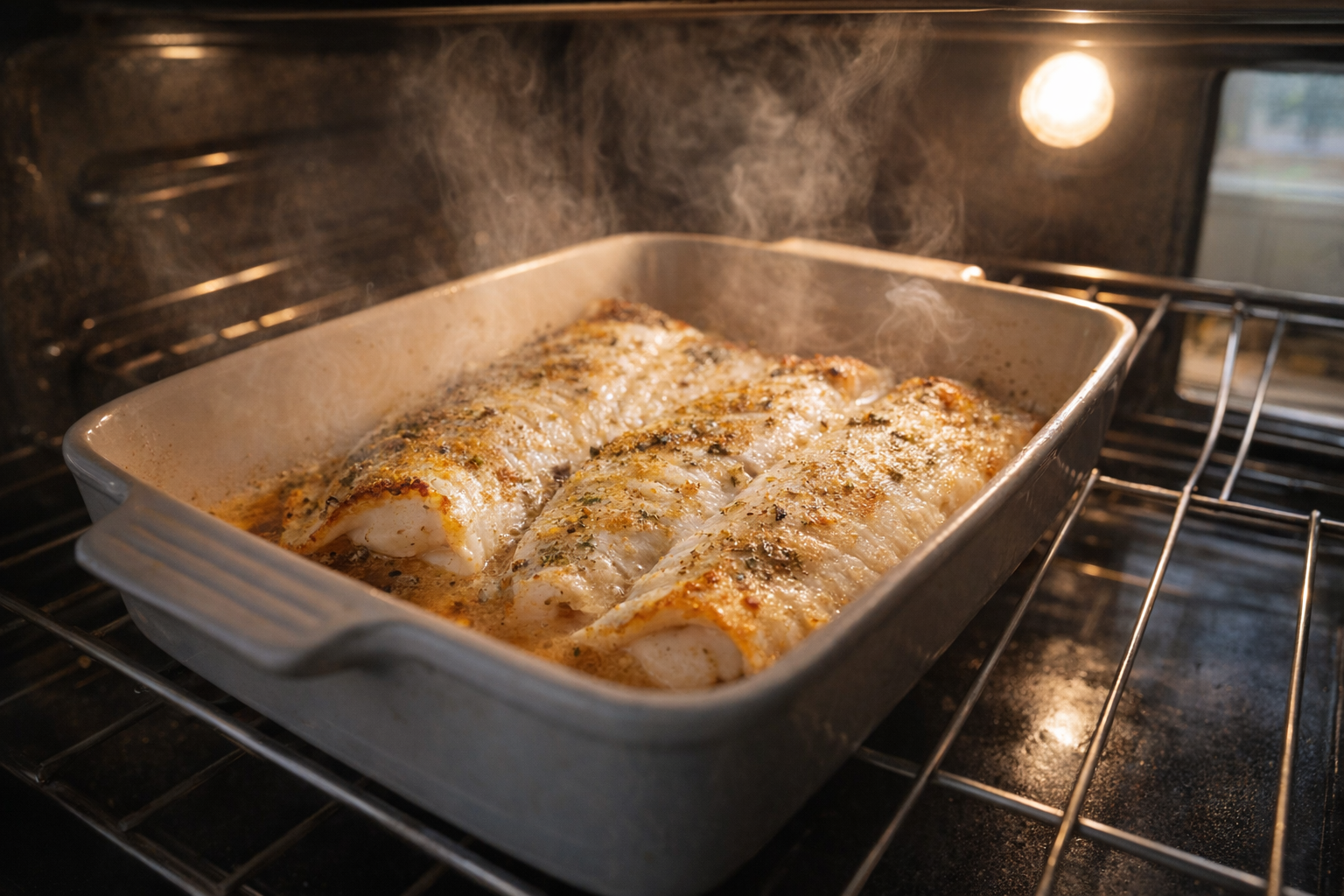
- Bake: Place the baking dish in the preheated oven and bake for 12-15 minutes, or until the flounder is opaque and flakes easily with a fork. As it cooks, the kitchen will fill with the savory aroma of baked fish and herbs. The edges of the fillets should be slightly golden brown.
- Rest: Remove the baking dish from the oven and let the flounder rest for a few minutes before serving. This allows the juices to redistribute, resulting in a more tender and flavorful fish.
Cooking Time & Doneness Guide
- Cooking Time: Baking time will vary depending on the thickness of the flounder fillets. Generally, bake for 12-15 minutes for fillets that are approximately 1/2 inch thick.
- Internal Temperature: The internal temperature of cooked flounder should reach 145°F (63°C). Use a food thermometer to ensure accuracy.
Visual Cues
The flounder is done when it is opaque throughout and flakes easily with a fork. The flesh should be moist and tender, not dry or rubbery. Press gently on the fillet; it should feel firm but yielding.
Tips for Perfection
- Don't Overcrowd the Pan: Overcrowding the baking dish will cause the fish to steam instead of bake, resulting in a soggy texture. Use multiple dishes if necessary.
- Use Fresh Lemon Juice: A squeeze of fresh lemon juice just before serving brightens the flavor and adds a touch of acidity.
- Monitor the Cooking Time: Flounder is a delicate fish that can easily overcook. Check for doneness frequently during the last few minutes of baking.
- Pat Dry: Ensure the flounder is dry before seasoning to promote even browning.
Storage & Reheating
Store leftover baked flounder in an airtight container in the refrigerator for up to 2 days. To reheat, gently warm the flounder in a preheated oven at 300°F (150°C) for about 10-15 minutes, or until heated through. Microwaving is not recommended, as it can dry out the fish.
Serving Suggestions
- Lemon Butter Sauce: Drizzle the baked flounder with a simple lemon butter sauce for added richness and flavor.
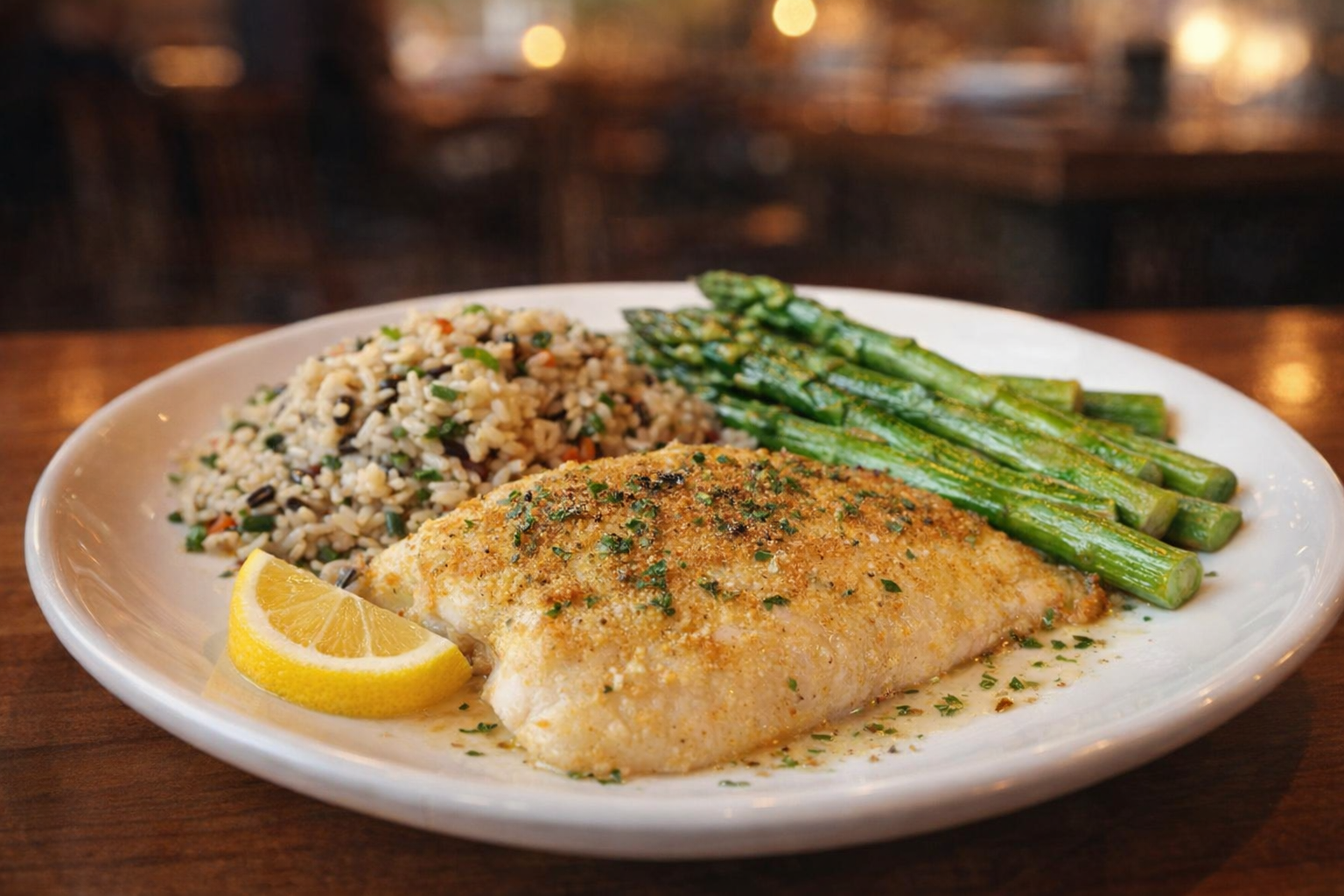
- Steamed Asparagus: Serve with steamed asparagus and a sprinkle of Parmesan cheese for a healthy and elegant meal.
- Wild Rice Pilaf: Pair the flounder with a wild rice pilaf for a heartier and more flavorful dish.
- Flounder Tacos: Flake the baked flounder and use it as a filling for tacos, topped with shredded cabbage, pico de gallo, and a squeeze of lime juice.
Frequently Asked Questions
Yes, you can substitute flounder with other flaky white fish like tilapia, cod, or sole. Keep in mind that cooking times may vary slightly depending on the thickness of the fillet, so check for doneness accordingly.
While thawing in the refrigerator overnight is recommended, you can quickly thaw flounder by placing it in a sealed plastic bag and submerging it in cold water for about 30-60 minutes. Be sure to change the water every 15 minutes to maintain a cold temperature, and cook immediately after thawing.
Flounder is cooked through when it is opaque and flakes easily with a fork. The internal temperature should reach 145°F (63°C). Avoid overcooking, as this will result in dry and tough fish.
Store leftover baked flounder in an airtight container in the refrigerator for up to 2-3 days. Reheat gently in the oven or microwave until warmed through, being careful not to overcook it during reheating.